





Image

Struggling to write your personal statement for UCAS? Join our advising team as we go over everything you need to know about writing your personal statement, how to tailor it for UCAS, and the do's and don'ts of writing a personal statement for a UK audience!
Date: Friday, 28 February 2025
Law School Fair 5-7 PM
Alumni Mixer 7-9 PM
Location: Doubletree by Hilton Hotel, Toronto Downtown, 108 Chestnut St, Toronto, ON M5G 1R3 (see map)
‼️ Note that this event will be a social with available hors d'oeuvres and both alcoholic (19+) and non-alcoholic beverages. It will be open to all ages.

It can be hard to leave your furry friend behind as you embark on your new adventure, but ultimately there are a few reasons why it’s best to leave your pet behind (with family or a trusted friend/partner) while you’re in the UK.

If you’re thinking of taking a dog (for example), your dog may need to undergo several vet visits to ensure it meets the requirements for Canadian exportation and UK importation.
Shots have to be given at least 21 days before flying. Mostly, you will have to get a microchip implanted (if not already done), the rabies shots, and have your vet fill out the health certificate which you should be able to obtain from the UK government site.
It is extremely important to check the pet requirements for any airline that you’ve booked with (or plan to book with)! Many, if not all airlines are prevented from allowing pets in the cabin when landing in the UK. As these are long flights, being in the cargo area can be quite traumatic for animals.
Overall, we recommend leaving your pet at home while you’re abroad.
As hard as it may be, there are some great ways to cope with missing your pet while you’re studying:
If you do plan to go home in between semester breaks, or during the summertime, your time apart will actually be shorter than you think. The structure of UK semesters and breaks typically allows for longer breaks every 4 months or so. It’s still a long time, but you won’t necessarily be away for your entire degree!
You can also video chat with your pet (with the assistance of friends/family members) so that you can see/speak to them while you’re gone.
Many universities will bring local dogs to campus to help with student stress! If you see them on campus, they’re usually more than happy for some scratches.
On a student visa, you can work up to 20 hours during term time. Why not find employment or volunteer at a local animal shelter? Some shelters will welcome the extra hands for things like dog walking. This is a great way to get some exercise, add to your resume, and spend some time with a new furry friend! 
These cafes are becoming increasingly popular! Many will highlight rescue animals, or have the animals up for adoption, but as a student you can head down for a cup of coffee and get some cat snuggles in while you’re at it! What better way to spend a few hours? Some options include:
These cafes usually have entrance fees to help continue providing the best environment for the dogs (anywhere from £5 - £10) . But really, who can put a price on spending time with these precious pooches? Make sure you review all policies prior to making your journey.
We understand that nothing can replace your furry friend at home, but while you’re completing your studies, there’s no reason why you can’t have a substitute to help get you by! Just think of all of the stories you can share with your pet when you get home!

If you've come across the term "Russell Group" in your UK university research, and can't quite figure out the meaning, or whether you qualify to study at these universities, we're here to help!
Join our advising team as we break down what it means to be a "Russell Group" university, how applications may differ from other university applications, and how Across the Pond can make your application as smooth as possible.

Applying to begin your UK studies in January? Your application timeline will differ from the traditional timeline of students starting in September! Not to worry, we're here to help!
Join our advising team as we discuss the typical application timeline for students applying to studies in the UK, specifically those beginning studies in the Winter term. We'll make sure you're well prepared for any deadlines that may arise from your applying to accepting your offer to sorting your visa and accommodation.
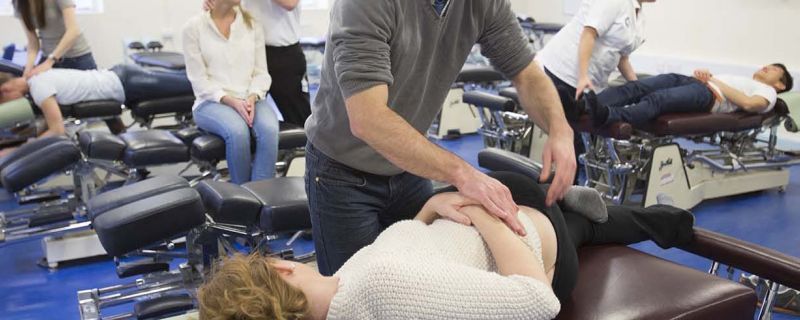
Careers in the Allied Health Professions are more in demand than ever. Whether you are interested in physiotherapy, occupational therapy, nursing, nutrition, or speech therapy, the UK is one of the most popular places for Canadian students to complete their degree.
Join our advising team as we discuss the requirements for applying to a range of professional health programmes in the UK.
We'll highlight common errors that we see students making when first trying to navigate the UK admissions process and provide examples of ways to both improve and strengthen your application.



An important item that everyone must take into consideration when planning to study or live abroad is the cost. As an international fee-paying student, the cost of studying in the UK is likely going to be more than what you would expect to pay to study in a Canadian university, but that doesn’t mean that these studies are unattainable. There are a few things you can do to set your self up for success when planning to study abroad:
How familiar are you with the geography of the UK, and how might that impact items like the cost of living or tuition? Many students will be looking into areas of the UK for the first time when working with their Across the Pond advisor, and that’s okay! We’re here to help direct you to credible resources so that you can budget for your lifestyle. Here is a great website to review:
British Council: Cost of studying and living in the UK
Your UK university’s website will also have their own specific costs listed for things like tuition and accommodations, so be sure to check course pages and the website to help you understand how much you may need to cover your studies.
If cost is something that is a significant factor in your study abroad plans, let your advisor know so we can point you in the direction of locations or universities that may offer more funding assistance, or that have a lower cost of living.
When it comes to budgeting, the earlier the better! If you think you might want to apply for a bank loan or line of credit to help fund your studies, book an appointment to speak with a financial advisor. This way you can receive appropriate information about what options may be available to you and get a list of what you might need ahead of applying or being approved. Don’t wait until the summertime! You’ll be busy enough with your visa application, packing and other things ahead of your studies!
Make sure you discuss your study plans with your family, or significant other if you’re sharing finances or think they’ll want to help fund your studies. Ultimately everyone needs to be on the same page and it’s important to be transparent with expectations to avoid frustration or anger later.
A great way to understand where your money goes is to take the time to track it. Try keeping track of your spending a few months before you leave for the UK (or longer if you want to get an early start) so you can see how much money you spend on things like cellphone plan, streaming services, food, rideshares etc. Then you can have a better idea of items you may be able to cut down on when you move to the UK.
Budgeting is not a one-size fits all plan, but the earlier you look into your university costs, funding options, and spending habits, the sooner you’ll have a realistic plan in place to help fund your studies accordingly.

As you are applying to university, you may find you need to contact your chosen university by email. Writing a professional email is an important skill you can take with you for emailing professors, applying to jobs, and within future careers. Read on to find our top tips for writing a professional email during your applications to UK universities!
Make sure to use a professional email address that you check often. For example, your previous university or school email is usually fine, but if you have already finished your studies at that institution it's a good idea to check with them how long your email address will remain active. Some schools will cancel the emails of graduates after a certain period of time.
You can use a personal email address that you've created yourself instead don’t use something like coolguy@gmail.com, as this seems unprofessional. You should also make sure to check what the display name on your account is as well, as the universities will be able to see this. Our advisors have seen many students who had previously changed their display name as a joke and then forgotten about it.
Some students opt to create a brand new email address just to use for their university applications to keep things organized. This isn't a problem as long as you remember to check it regularly. If you are thinking of doing this, consider setting a calendar reminder or alarm for yourself to prompt you to check your email multiple times a week (if not daily).
The subject line of your email should be short, concise, but tell the receiver what the email is about. When emailing a university, always include your student or reference number. For example:
ID:12345678 + Visa Question
Avoid using words like “Urgent”, “Please Respond”, etc. in your subject line, unless it truly is an urgent email - if every email the university received was marked urgent, there would be no way to differentiate the emails that actually are.
Finally, check the font you are sending your email in – something legible, like Times New Roman, Calibri or Arial is fine, in size 11 or 12-point type. Do not use all caps, or unnecessary highlighting or colour.
Your email starts with your salutation. This is where you address your email to the recipient. If you know their name, include it. For example:
“Dear Mr. Smith,”
If you don’t know their name, something more general like:
“Dear Sir or Madam”, or “To whom it may concern”, or “Dear Admissions,” is fine.
Do not ever just say “Dear Sir” or “Dear Madam”– you do not know the gender of the person answering your email, and should not assume.
“Dear” is the more formal address – avoid saying “Hello,” “Hi”, etc.
Feel free to follow the address with a kind greeting, such as “I hope this email finds you well”, but this is not required.
You should introduce yourself to start the email. List your name, the course you applied for, and the purpose of your email. For example:
“My name is John Smith, and I have applied to study BSc Archaeology and X University. I have a question about my offer conditions.”
From there, make sure to be concise, explaining as clearly and briefly as possible the reason for your email, so that the recipient can best assist. For example:
“On my offer letter, I was asked to provide IELTS results. As I completed a degree in English in my home country, I was wondering if this condition could be removed? Thank you for your assistance.”
Try not to drag the email on – it is completely fine for your email to only be 2-3 sentences, as long as the reader can understanding why you are emailing, and what they need to do to assist.
Make sure you use formal language – avoid slang terms, unnecessary contractions, emojis, profanity, or jokes. Always write in complete sentences, and check for any spelling errors.
Make sure to use a formal closing, don’t leave your email open ended. There are several options you can use, but it should read as though you are signing a letter. Phrases like “Sincerely,” “Respectfully,” “Best wishes,” are all fine, followed by your name on the next line, and your student number again. For example:
“Best wishes,
Jean Valjean
24601”
Before sending, check that the email address of the recipient is correct and the name (if known) is spelled properly. If you have stated in your email that you will provide an attachment, make sure it is attached. Check again for spelling and grammar, and then you are ready to send!
Once you have sent your email, you will usually receive an automatic reply, which often states the standard timeline for a reply. There is no need to reply to this email. Keep in mind that you will only receive a response during the recipients work hours – and that those work hours will more than likely be in the UK. If you don’t receive a quick response, that is not unusual.
If you don’t receive a reply, it is fine to send a follow up approximately two weeks after your initial email. Following the rules above, be polite, and simply say:
“Hello ,
I hope you are well.
I would just like to follow up on my previous email. If you require anything further, please let me know.
Best,”
With these tips, you should successfully be able to send a professional email, and find success with your studies!

Preparing your application to universities in the UK can seem like a daunting task, but it doesn’t need to be. Your Across the Pond student advisor will help walk you through the whole process, and help to support you right up until you have left for the UK! Our team of student advisors have all studied in the UK themselves, and we have lots of advice to help you create the strongest application possible – no matter what subject you’re applying for! We even create guidelines and host webinars throughout the year which you can utilize to make your application as close to perfect as possible!
Below are a few tips for getting the best start on your applications.
One of the biggest causes of stress that students have with regards to their application occurs when they try to rush it in before a deadline. This stress is then compounded after their applications are submitted and offers are received, as there is then a rush to find funding, accommodations, and to deal with the student visa application. The earlier you start your applications; the smoother things will go. Since most programs work on a rolling deadline basis, applying early has the added benefit of giving you better chances of success, especially if you have concerns about meeting entry requirements. For most programs, we typically recommend that students apply before Christmas, as there tends to be a rush of received applications in January that can slow down the universities’ processing time.
Most applications will require at least one academic letter of reference. Professors are usually more than happy to write letters of reference for students to help them succeed in future academia, but they can often have busy schedules, especially around exam times. We recommend students ask around for letters as soon as they start the application process. This helps to give professors plenty of time to write them, and to give students time to find back-ups in case they’re unable to write something in a reasonable timeframe.
If you’ve been out of school for a few years (3-5 years or more), you may think it is unlikely, if not impossible, to find a professor that remembers you enough to write a letter, but don’t be afraid to ask anyway; you may be surprised by the results!
Similarly, if you (like so many students) had studies that were impacted during the early days of the COVID-19 pandemic, you may think that these letters won’t be as strong content-wise due to the virtual learning environment. This is also not the case!
Personally, when I applied for my master’s program in the UK, one of my reference letters was written by a professor who taught me in an online course. The letter was insightful, well-written and beautifully captured my academic abilities.
In cases where you feel anxious about whether or not your professor will remember you or your work based on name alone, I recommend sending them a past assignment, CV, or even a copy of your personal statement to help them out. Your professors have a lot of students, but you’d be surprised by what they do remember!
Ultimately your professor is writing about your academic skillset, not their personal relationship with you as an individual.
The personal statement is one of the most important parts of your application, and in many cases is reviewed more intensely than your GPA. It’s crucial that it be as close to perfect as possible and written with a UK audience in mind. For this reason, we do have guidelines on what is expected of the document, and even have a recorded webinar that walks you through the process of writing it. This can be watched at any time here.
The statement does not have the same format or required content that similar documents would for applications and Canadian universities, so make sure to read the guidelines closely. Your personal advisor is always on hand to give you some advice, and even help revise it if you send over a rough draft! The statement typically takes a few drafts to get right, so make sure not to leave this until the last minute!
Most programs do not require entrance exams at all, but there are a few that do. Medical programs always require exams (typically the UKCAT or GAMSAT), and a few law programs require the LNAT. Some graduate level psychology programs require membership in the GBC, and engineering programs often require ATAS certification. It’s important to know what exams and certifications are required for the programs you’re applying to, and your personal advisor will help sort that out early in the application process. Some of these have strict deadlines, so make sure you don’t forget anything and miss out on attending.
Privacy & Data Protection Policy | Cookies Policy | Anti-Slavery & Human Trafficking Statement | Terms & Conditions | Agent Quality Framework (AQF) | Vacancies
2026
Copyright © Across the Pond - Study in Britain Ltd. All rights reserved.